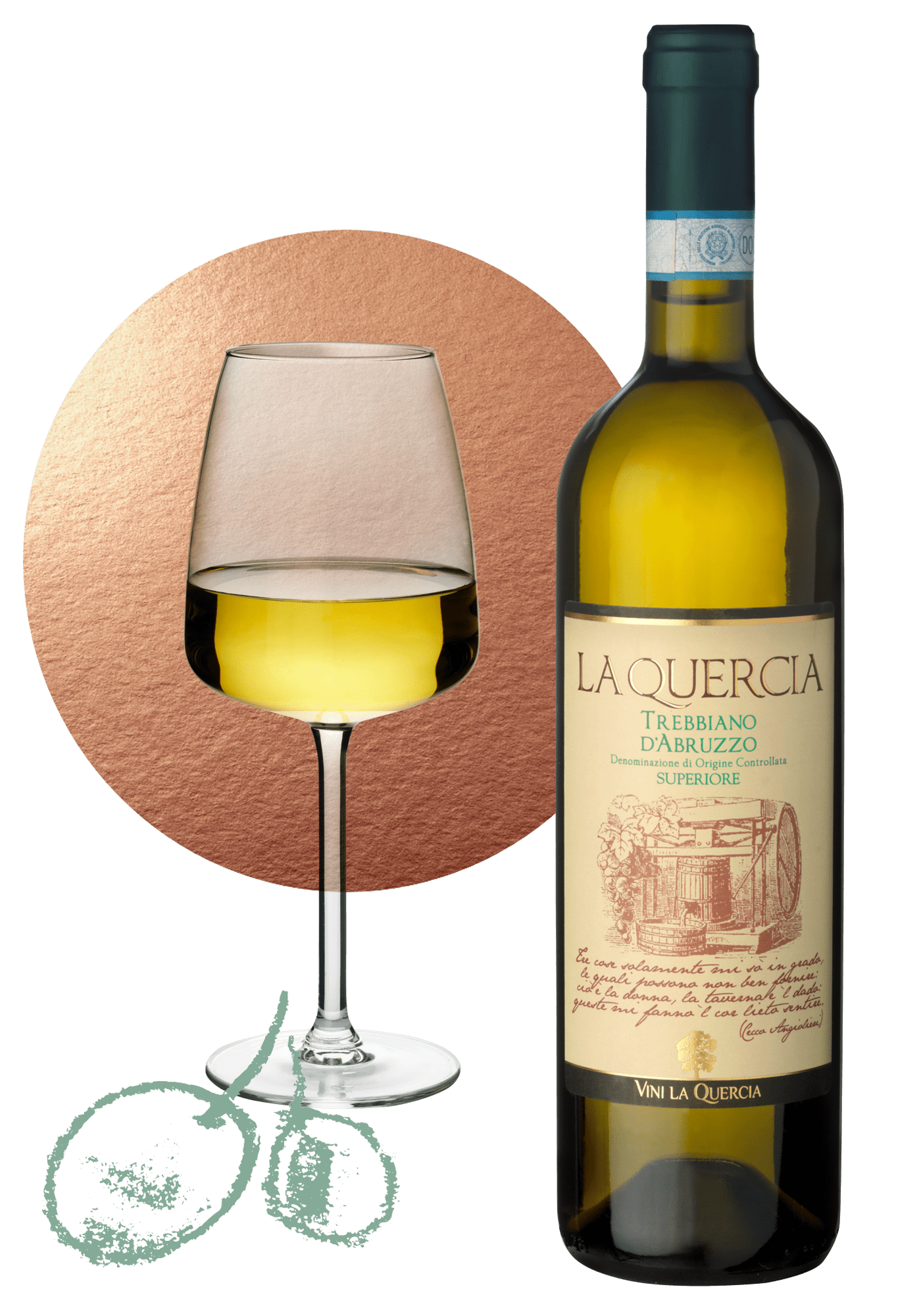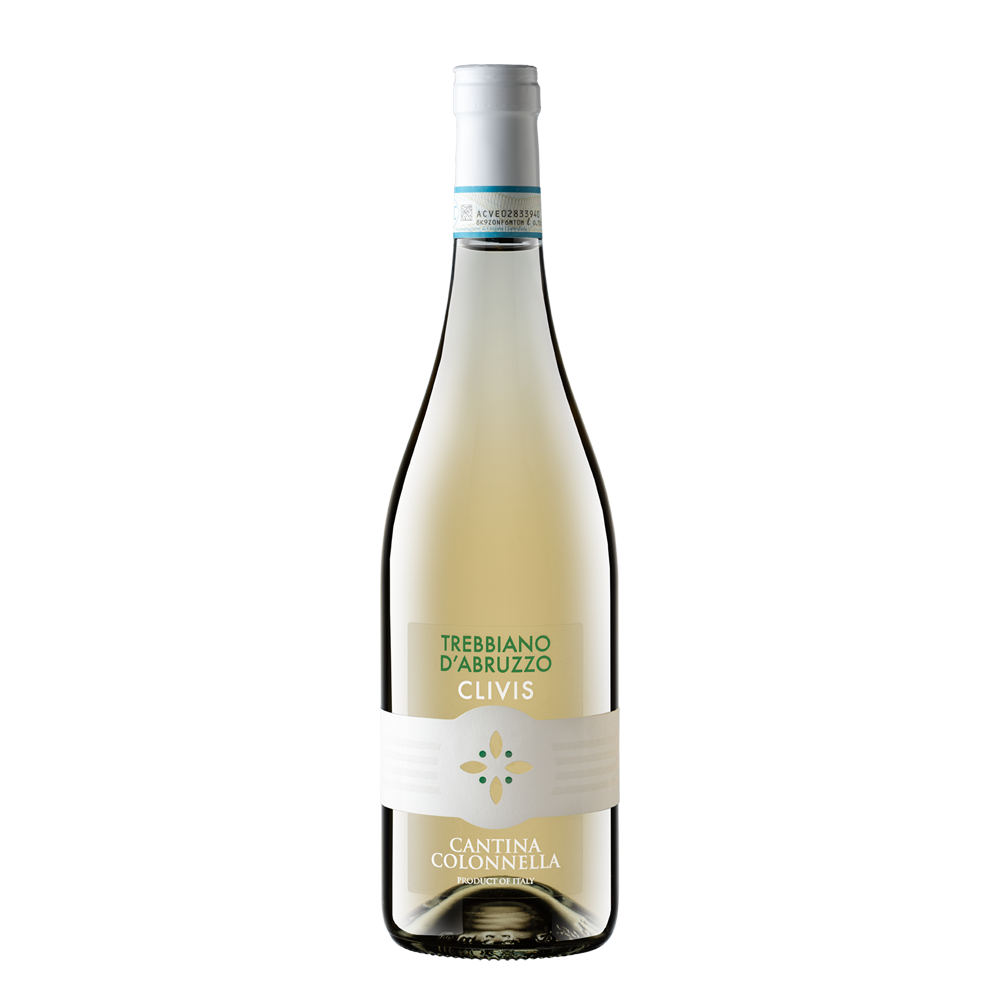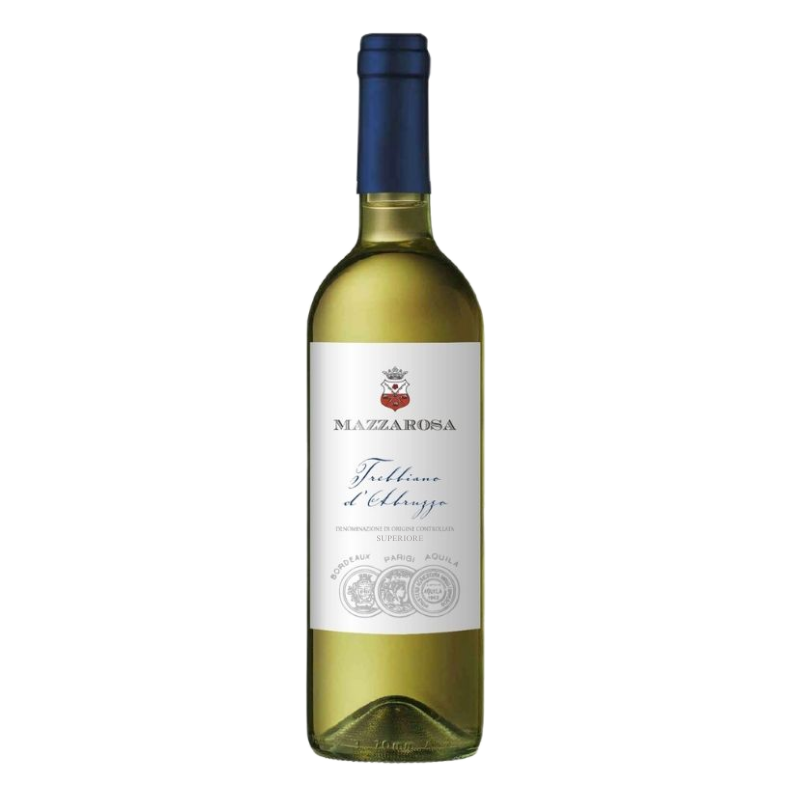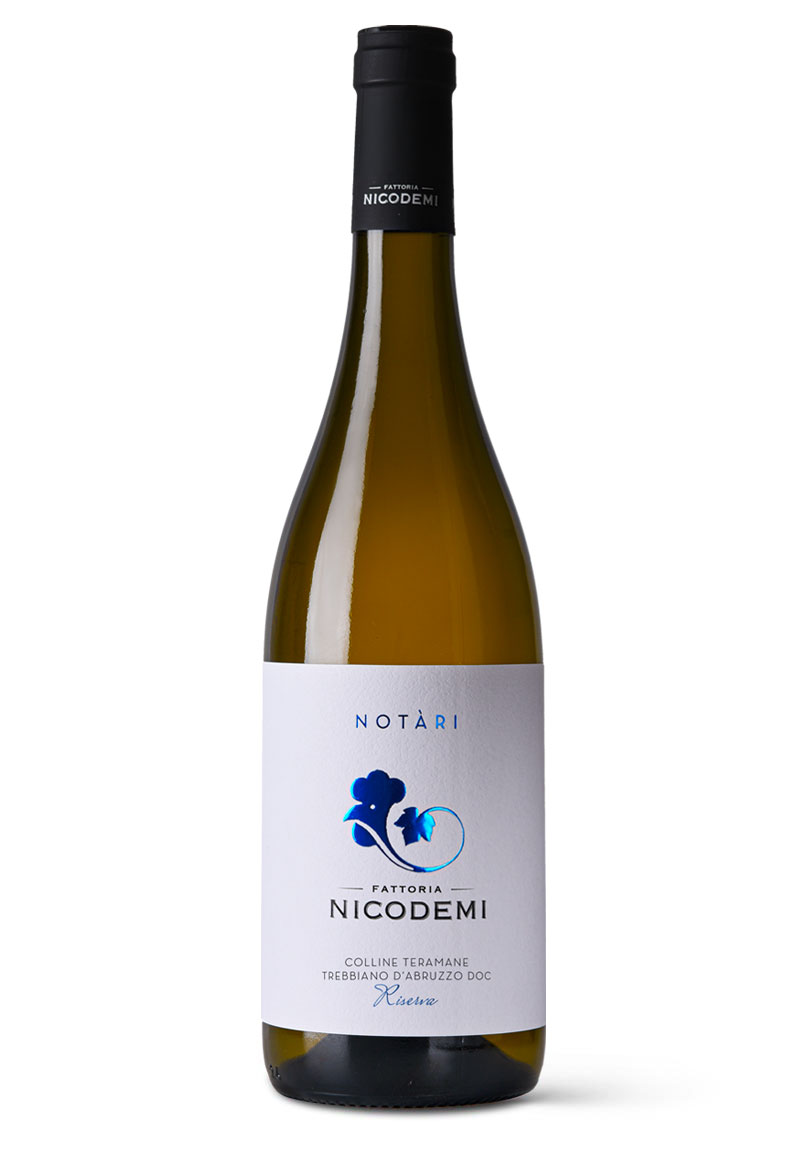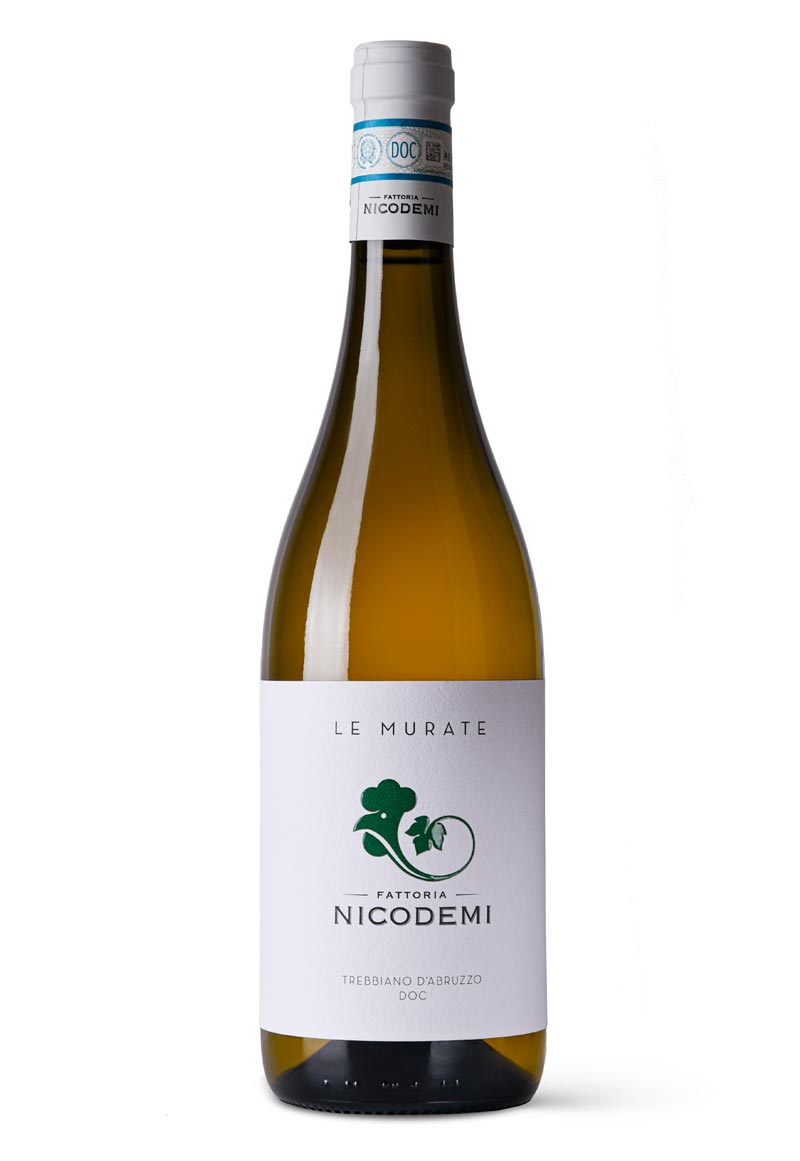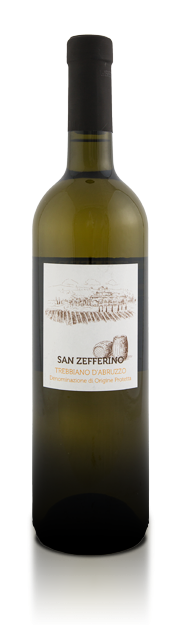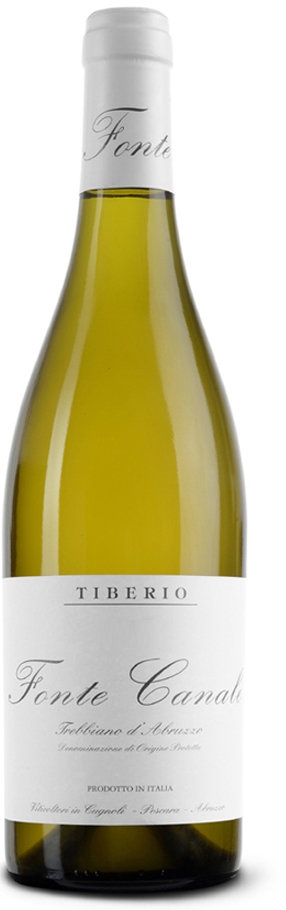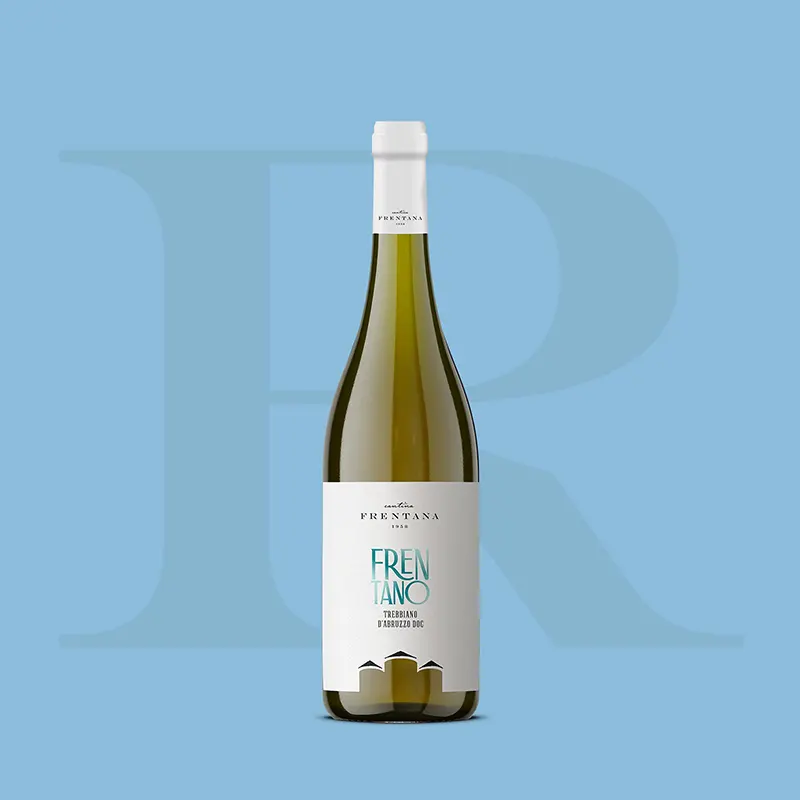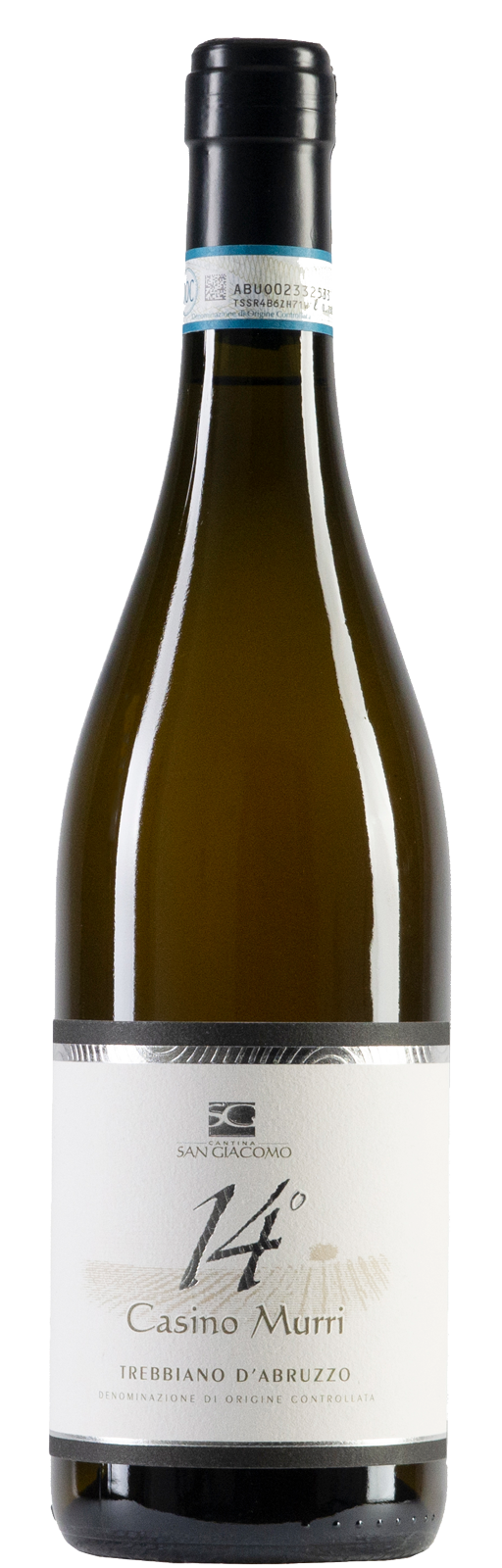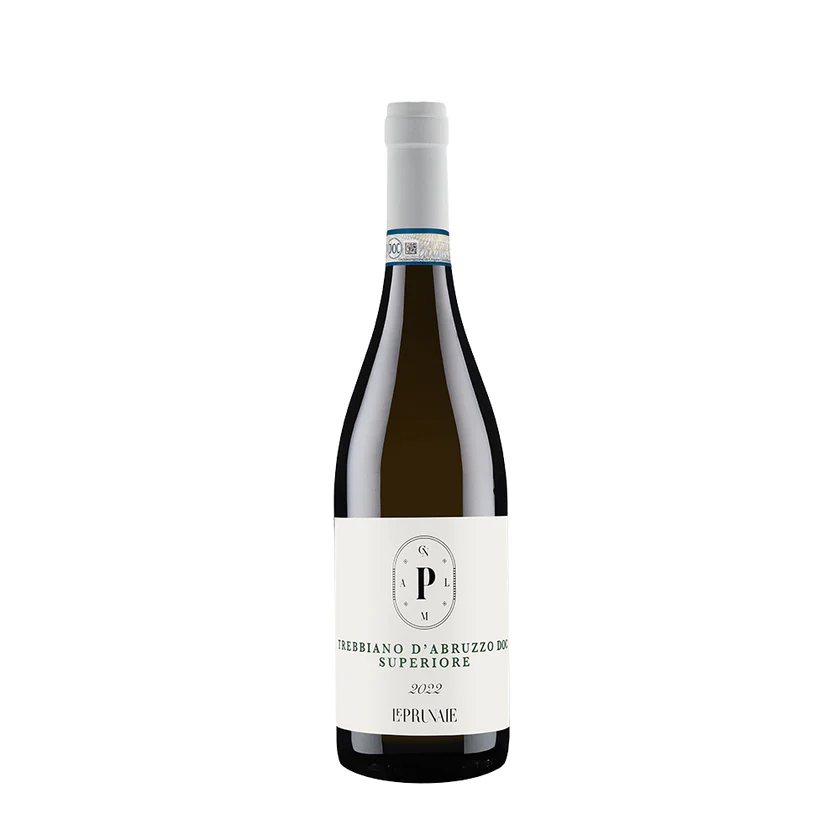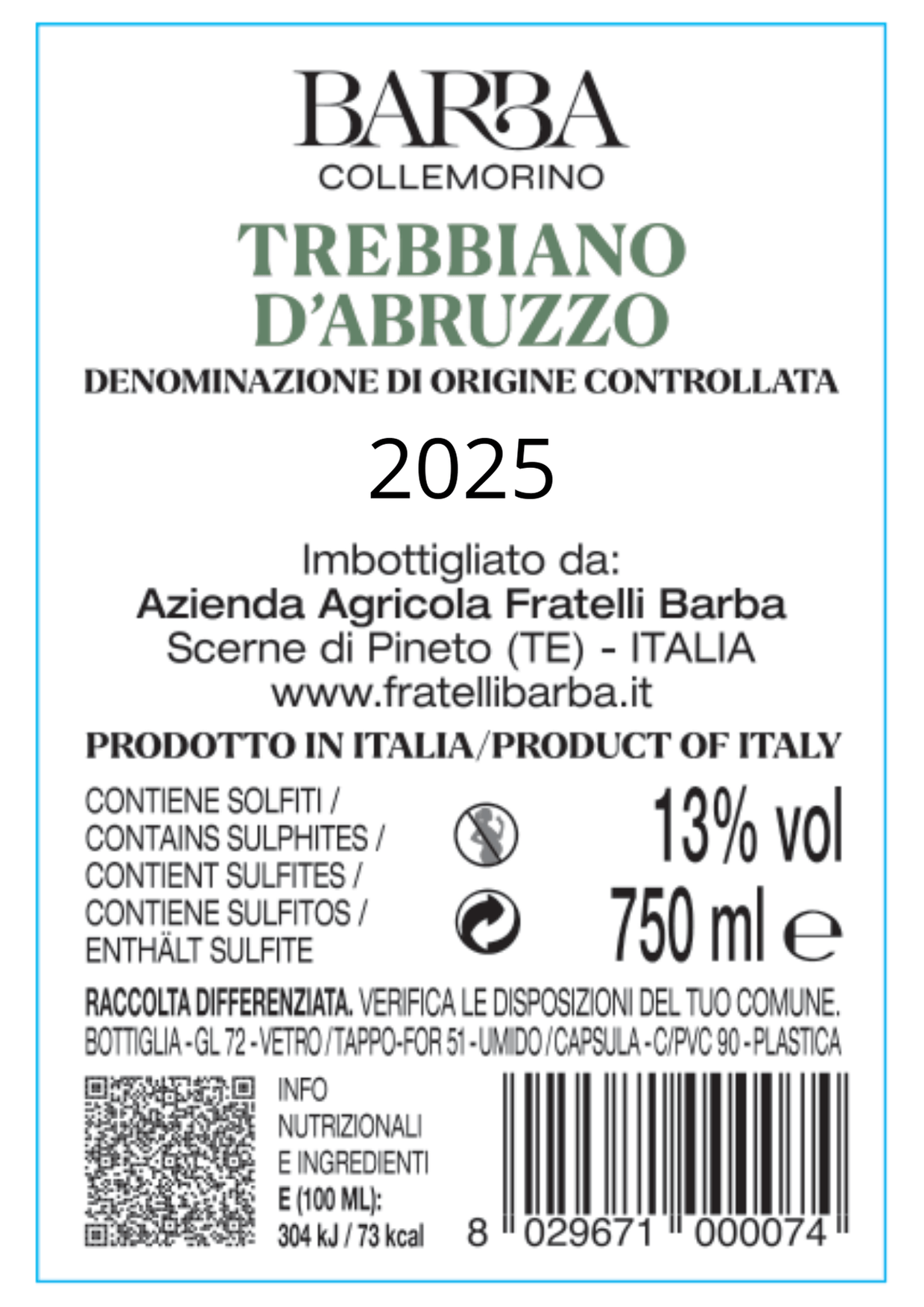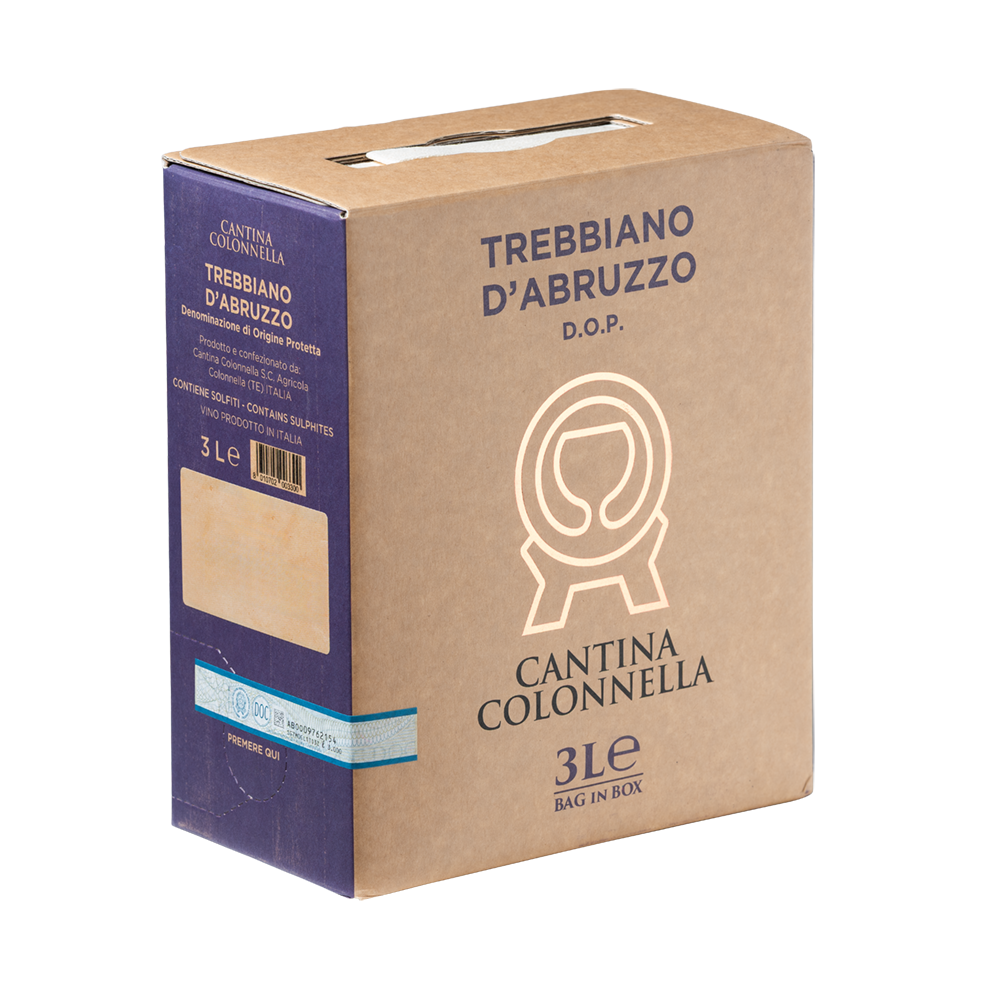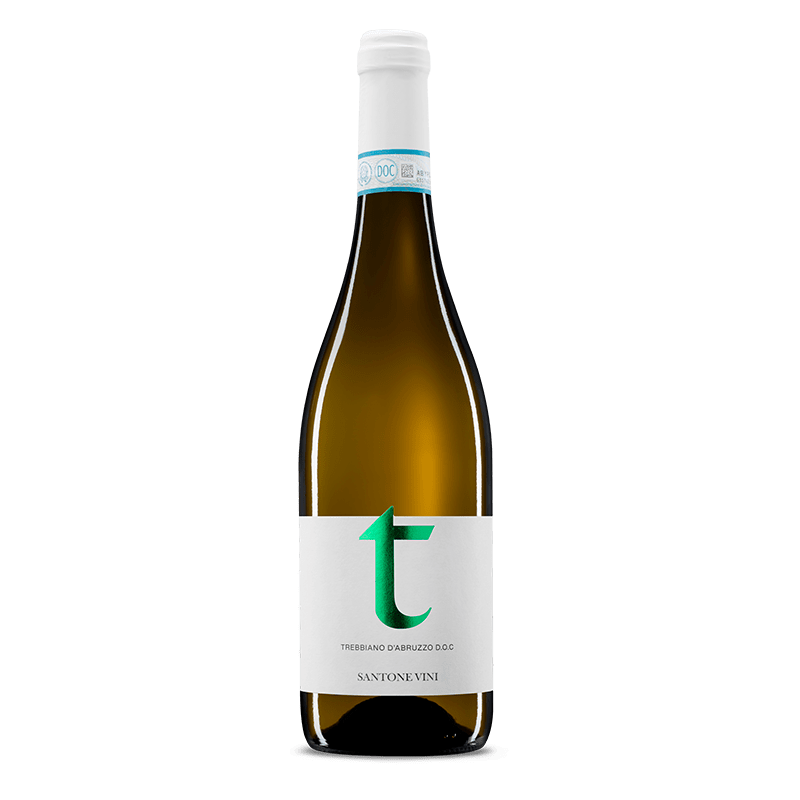


Trebbiano d'Abruzzo has been a DOC since 1972, and it conceals an ambiguity that explains almost everything said about it, good and bad. The name Trebbiano covers distinct varieties: Trebbiano Abruzzese, shy-bearing and rare, and Trebbiano Toscano, planted all over Italy and historically grown for volume. The rules admit both, and in the vineyard Bombino Bianco adds to the confusion, having long been mistaken for one or the other.
Hence the spread. The same words on the label cover neutral everyday whites and some of the longest-lived bottles in Italy: it is the rare, stubborn examples — Valentini being the name that set the standard — that proved what the right grape, low yields and no hurry can do, producing wine still standing after twenty years.
The style, when it is the good one, is not aromatic. Pale colour, a discreet nose of apple and almond, and above all texture: salinity, a body you feel rather than smell, and a characteristic faintly bitter close. It is a white judged on the palate rather than the nose, which is why it disappoints anyone who sniffs it expecting Sauvignon.
The bottles we track also carry Superiore and Riserva, and the Colline Teramane mention: signals of lower yields and more time, which in this appellation matter more than the vintage.